Louisiana Liquid Waste Regulations Every Madisonville Business Should Know in 2026
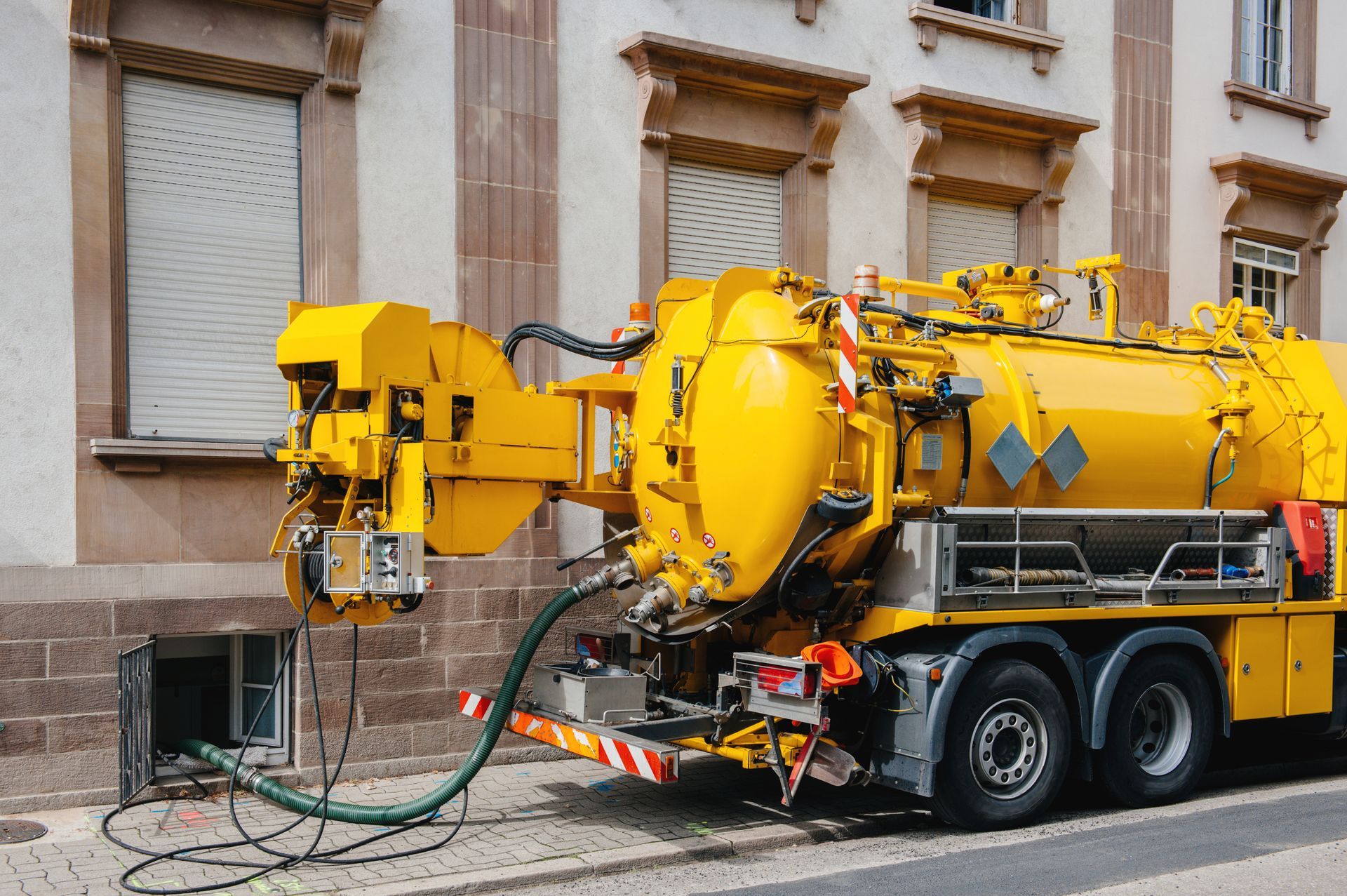
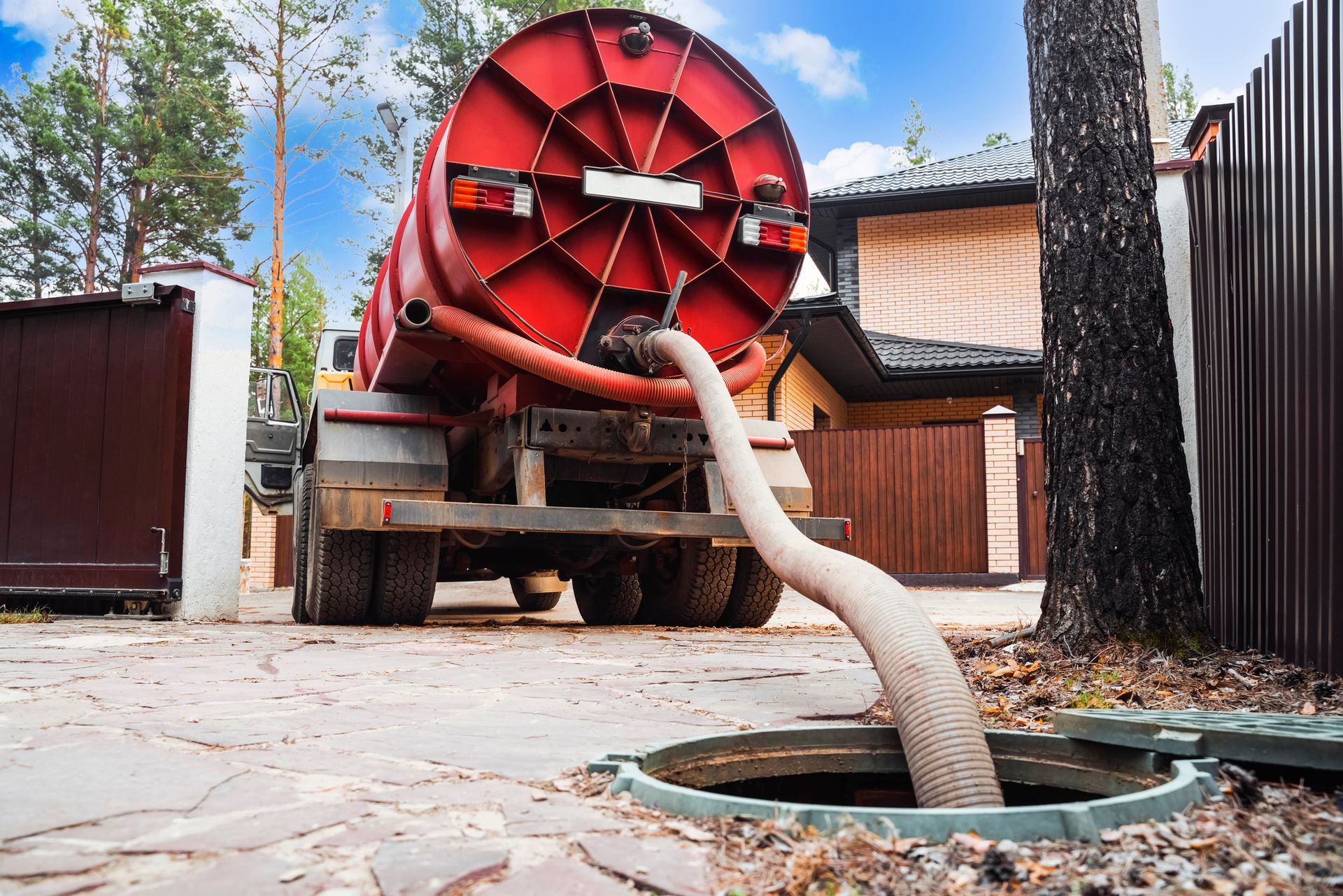
Louisiana businesses in Madisonville, LA, need to understand state and parish liquid waste rules to stay compliant and avoid costly penalties in 2026. This guide covers what qualifies as regulated liquid waste, how LDEQ licensing works, what St. Tammany Parish requires, and how often service is needed. It also explains what happens when rules are broken and how to choose a hauler that keeps your business protected. Scheduling professional Liquid Waste Removal is the first step toward meeting those obligations.
What Counts as Regulated Liquid Waste in Louisiana?
Regulated liquid waste covers more materials than many business owners realize. In Louisiana, regulated categories include grease trap waste, domestic septage, portable toilet waste, and biosolids. Commercial food service wastewater, and grease removed from a grease trap, are treated as separate waste streams from domestic septage, each with its own handling rules.
If your Madisonville business operates a restaurant, commercial kitchen, car wash, or any facility generating fats, oils, or grease, your liquid waste likely falls under state oversight. Automotive shops, healthcare clinics, and hospitality venues along the Tchefuncte River corridor are also commonly subject to these rules. The key question is whether your waste stream can harm the sanitary sewer system or surrounding waterways. In St. Tammany Parish, the answer is often yes. Proper Liquid Waste Removal prevents exactly those harms.
LDEQ Licensing Requirements for Liquid Waste Haulers
Only a registered hauler may legally transport your liquid waste in Louisiana. Haulers must carry a valid Sewage Sludge Hauler Registration issued by the Louisiana Department of Environmental Quality, covering pickup, transport, and disposal of septage, grease waste, portable toilet waste, and biosolids. Accepting service from an unlicensed hauler can put your business in violation, not just the hauler itself.
Before scheduling any Liquid Waste Removal service in Madisonville, LA, ask the provider for current LDEQ registration documentation. Registrations are renewed annually and expire on June 30 each year, so check the date on the certificate rather than assuming it is still active. You can also verify registered transporters directly through the LDEQ website. This one step can protect your business from being implicated in a hauler's noncompliance.
What the Registration Requires
LDEQ registration applies to the person or company responsible for all transport operations. Vehicles must be watertight to prevent spills during handling, transport, and disposal. Haulers must also carry proof of insurance at all times while operating.
St. Tammany Parish Rules That Apply to Madisonville Businesses
Madisonville sits in St. Tammany Parish, which enforces its own layer of liquid waste regulations on top of state requirements. Parish ordinances prohibit discharge of sewage effluent and septage into streets, gutters, ditches, watercourses, or surface water without proper permits. The parish's Department of Environmental Services oversees monitoring and inspection of sewerage and water systems throughout the area.
In November 2025 the parish council adopted a revised on-site sewerage inspection ordinance amending Sec. 40-330 of the parish code. Rather than inspecting every system on a fixed cycle, the program prioritizes inspections of individual on-site wastewater systems and provides for notices and corrective orders where a system does not comply. Businesses with on-site septic systems may need to demonstrate that their systems meet operational standards. This applies especially to commercial properties in the Madisonville area that are not connected to a municipal sewer line. Routine Liquid Waste Removal helps these properties maintain compliance during inspections.
How Often Should Commercial Businesses Schedule Service?
Frequency requirements depend on the type and volume of waste your facility generates. For grease traps, service every 30 to 90 days is the common range, with exact intervals depending on kitchen output. The operative compliance trigger is the 25 percent rule: grease traps must be serviced before floating grease and settled solids reach 25 percent of the trap's operating depth, or at the interval specified in your permit, whichever comes first, and in any case at least every 90 days. High-volume food service operations typically need more frequent service. Because required frequency is set locally rather than statewide, confirm the interval that applies to your facility with the parish before setting a schedule.
For septic systems, commercial properties not connected to the municipal system need regular pumping to prevent system failure and protect surrounding soil and waterways. In the low-lying terrain around Madisonville and the Tchefuncte River, a failing septic system poses a real risk to water quality, making consistent Liquid Waste Removal more than a compliance issue.
What Happens If You Miss a Service Cycle?
Skipping scheduled service can escalate quickly. An overflowing grease trap can block your sewer line and halt kitchen operations. Neglected grease traps may also cause odors, clogged pipes, and sewage backups that affect neighboring businesses and homes.
Penalties for Noncompliance in Louisiana
Noncompliance with Louisiana's liquid waste rules can result in serious consequences. LDEQ's Enforcement Division pursues civil and criminal penalties, and enforcement actions are tracked in a public database. Parish ordinances also allow fines for improper discharge of liquid waste, grease, and oils into drainage systems or public waterways.
Businesses that use unlicensed haulers, skip required maintenance, or improperly dispose of waste can face penalties, service termination, and public enforcement records that are difficult to undo.
How to Choose a Licensed Liquid Waste Hauler
Choosing the right hauler is one of the most important compliance decisions a Madisonville business can make. Look for these qualities:
- Verified LDEQ Sewage Sludge Hauler Registration on file.
- Proof of current insurance carried on all service vehicles.
- Experience with commercial grease traps, septic systems, and St. Tammany Parish disposal requirements.
- Clear service records and documentation provided after each visit.
- Familiarity with the Covington, Madisonville, and Slidell service areas.
Documentation is critical. Louisiana regulations require businesses to maintain records of grease trap maintenance, including service dates and details, available for inspection by regulatory agencies. A qualified hauler providing Liquid Waste Removal in Madisonville, LA, will deliver complete service manifests after every visit.
Partner With a Local Expert Who Knows the Rules
Liquid Waste Removal compliance in Madisonville, LA, does not have to be complicated when you have the right team behind you. Crescent Environmental Services serves Madisonville businesses with grease trap cleaning, septic pumping, and liquid waste removal backed by decades of combined regional experience. The team understands St. Tammany Parish requirements and LDEQ standards so your business stays protected.
To learn more about available services, visit the grease trap cleaning page or contact us to schedule service. Call (504) 505-2091 to speak with the team today.